Certified extraction crews for lofts, roofs and cavity walls
Spray foam insulation removal in London, Greater done right
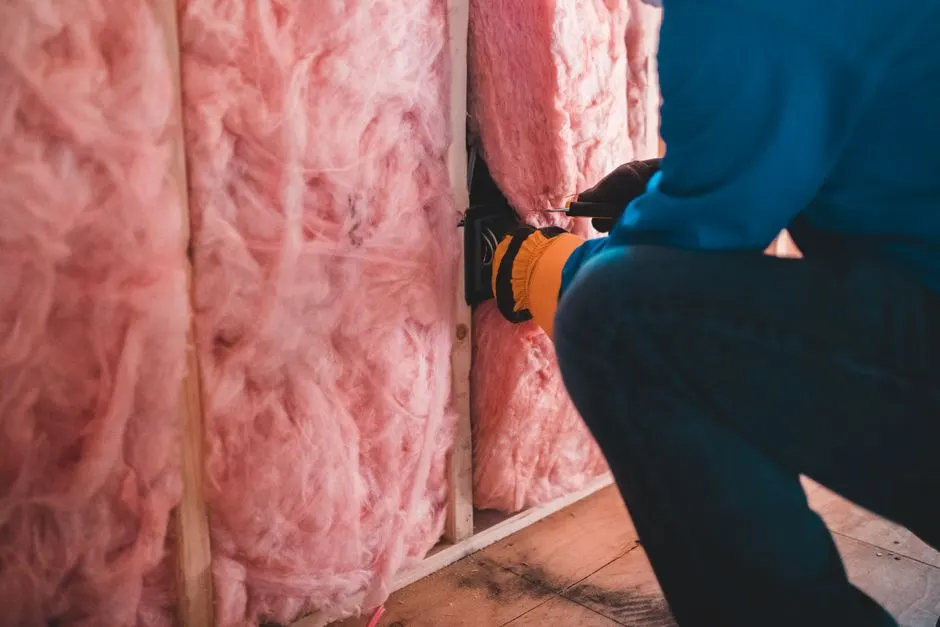
Spray foam insulation removal in London, Greater is a specialist job, and we do it every week across the capital. If your loft is full of open cell spray foam, your mortgage lender has flagged it, or you are stuck trying to sell a property, our team strips it out cleanly and disposes of it legally. We work on terraces in Camden, Victorian semis in Croydon and warehouse roofs in Barking. Same-day surveys, fixed quotes, no mess left behind.
Live phone supportUpfront optionsBacked workmanship
What's included
What our spray foam insulation removal includes
Every quote covers the full strip-out, not just the cutting. You get site protection, foam removal, residue blasting, timber inspection, waste disposal and a written report. Add-ons like new insulation batts, vapour barriers or full re-roofing are priced separately and agreed before we start.
Full foam strip-out
We remove all accessible spray foam from rafters, roof deck, loft floor and cavity walls, cutting in sections and prizing it clear without splitting the timber. Any foam we cannot reach is documented with photographs and explained in the report.
Residue blasting and cleaning
Adhesive residue is blasted off with a dry ice blasting machine or sand blasting equipment, depending on the substrate. The loft is then vacuumed and wiped down. You should be able to walk the space in normal clothes afterwards without picking up foam dust.
Timber inspection and treatment
Every exposed rafter is checked with a moisture meter and probed for softness. Affected timber is treated with Envirograf or an equivalent preservative. Where rot has gone too deep, we flag it and quote the repair separately before doing anything.
Waste disposal and paperwork
All foam and blasting media are bagged, weighed and taken to a licensed waste transfer station. You receive a disposal note, before-and-after photographs and moisture readings, which is the pack lenders, surveyors and solicitors ask to see.
Dust control and protection
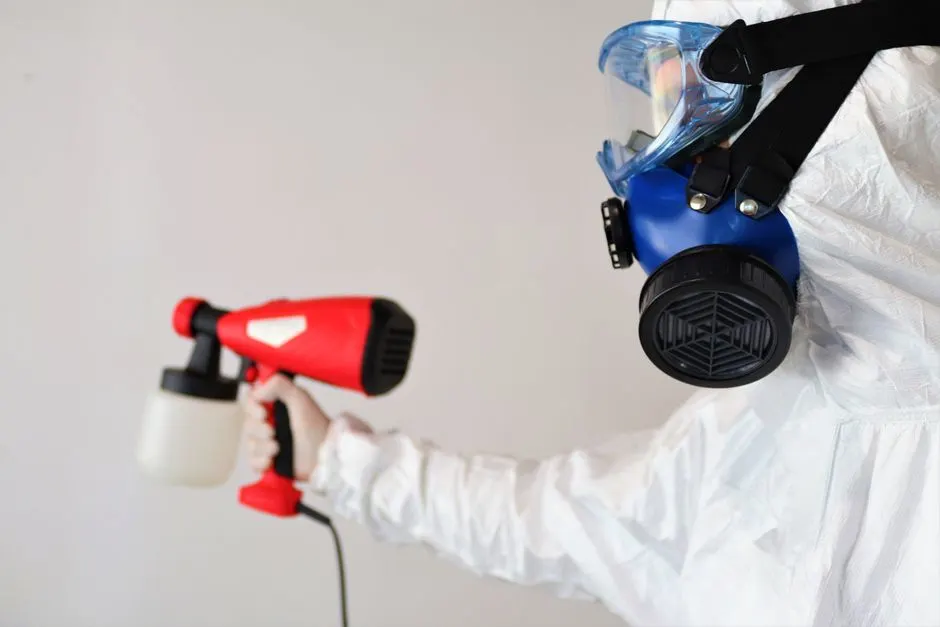
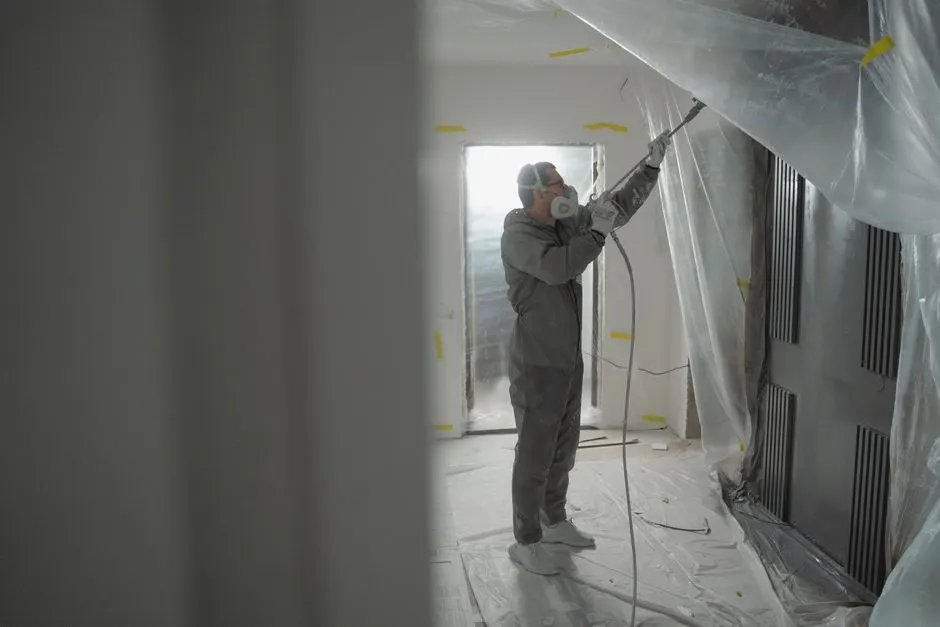
The loft hatch is sealed with a zipped barrier and a dust extraction unit runs for the duration. Floors, stairs and furniture are sheeted. Our technicians wear PPE respirators and disposable coveralls on every job, residential or commercial.
Service overview
What spray foam insulation removal in London, Greater involves
Spray foam insulation removal in London, Greater is the controlled stripping of cured polyurethane foam from roof timbers, rafters, loft decks and cavity walls, followed by cleaning, timber assessment and disposal. It is not a case of ripping it out with a crowbar. Foam clings to timber, wiring and felt, so we cut it in sections with oscillating multi-tools and reciprocating saws, then blast the residue off with a dry ice blasting machine or sand blasting equipment. Every run is bagged, weighed and taken to a licensed transfer station.
Most London homeowners call us for one of three reasons: a mortgage refusal due to spray foam, loft condensation and roof rot from trapped moisture, or a surveyor flagging spray foam overspray on the felt. Closed cell spray foam is the worst offender because it seals the roof deck and stops it breathing. If you have been searching for spray foam insulation removal in London near me, we cover every borough inside the M25 and most of Greater London within 24 hours.
How we workWe verify the cause, compare realistic options, and confirm the repair before we leave.
The service timeline
How our spray foam extraction process runs
The process flexes to the condition, but these checkpoints keep decisions clear.
Survey and quote
We visit, measure the foam coverage in square metres, check timber with a moisture meter and photograph everything. You get a fixed price the same day, not an hourly rate that drifts. Surveys take 45 to 60 minutes for a standard London loft and there is no charge for them.
Site protection
On day one we lay dust sheets, seal the loft hatch with a zipped barrier and set up a dust extraction unit so nothing travels down into your bedrooms. Our technicians wear a PPE respirator and full disposable coveralls. If you are living in the property while we work, this stage matters more than any other.
Foam cutting and extraction
Foam is cut into manageable blocks using an oscillating multi-tool and reciprocating saw, then prised off the rafters. Adhesive residue gets blasted with a dry ice blasting machine or sand blasting equipment, depending on the substrate. A typical three-bed terrace loft takes two to three days with a two-person crew.
Timber treatment and clean
We inspect every rafter, treat any affected timber, fit new insulation batts and a vapour barrier where the spec calls for it. The loft is vacuumed, wiped down and checked with a thermal imaging camera before we sign it off. You get before-and-after photos of every elevation.
Waste disposal and report
All foam is bagged, weighed and removed to a licensed waste transfer station. You receive a removal report with photographs, moisture readings and disposal documentation, which is exactly what lenders and solicitors ask for. Most reports are emailed within 48 hours of the final day on site.
Tools & methods
Tools and methods we use for foam removal
Purpose-built equipment, used by trained technicians, so the job is done accurately the first time.
Dry ice blasting machine
Freezes and lifts adhesive residue off timber and felt without abrasion. Our preferred method on older rafters and historic buildings where sand blasting would be too aggressive.
Sand blasting equipment
Used on hard substrates such as brick, block and concrete where residue has bonded tightly. Always paired with a dust extraction unit so media and foam dust are captured at source.
Oscillating multi-tool
Cuts cured foam cleanly in tight corners around rafters, wiring and pipework. The go-to tool for the first pass on any loft, and the reason we rarely damage cables during a strip-out.
Reciprocating saw
Breaks down thicker closed cell foam into manageable blocks that can be bagged and carried out. Blade choice matters here; the wrong one tears the felt underneath.
Industrial vacuum and dust extraction unit
Runs throughout the job to capture foam dust at the cutting point. This is what keeps your landing, carpets and kitchen clean while we work above your head.
Thermal imaging camera and moisture meter
Confirms airflow, spots hidden damp and checks every rafter before we sign a job off. The readings from both go into your removal report.
PPE respirator and disposable coveralls
Worn by every technician on every cut. Isocyanate-cured foam dust is not something you want in your lungs, and we treat it accordingly.
Use cases
When to book spray foam insulation removal
These examples show how the service framework adapts rather than forcing every call through one repair.

Croydon rental semis dried out
Two 1930s semis in Croydon with foam on the roof deck, black mould across the felt and tenants reporting cold bedrooms every winter. One property had already lost a tenancy over the damp. → Both lofts stripped in five days, timbers treated, vapour barriers fitted and insulation batts reinstated to the correct depth. Moisture readings dropped from 24% to 13% within three weeks and the mould has not returned in two seasons.
Barking warehouse roof stripped in phases
A 1,400 square metre warehouse roof near Barking with spray foam applied across the entire deck. The insurer had requested evidence of roof condition and the site could not afford to shut down for the work. → Foam removed bay by bay over three weeks with PASMA-certified crews on scissor lifts and noisy cutting scheduled after trading hours. Full waste transfer notes and photographic evidence handed to the insurer on completion.
Problems we solve
Problems we solve with spray foam extraction in London
Foam problems rarely stay small. A flagged loft becomes a refused mortgage, a damp rafter becomes a rotten roof, and a stalled sale becomes a chain collapse. Here is what we fix, and what happens if it is left alone.
Mortgage refused because of spray foam
We strip the foam, document the work with photographs and moisture readings, and produce a removal report in the format lenders accept. Most clients re-submit to their broker within two weeks and get a new valuation booked.
Loft condensation and roof rot from trapped moisture
We remove the foam, treat affected timber and reinstate the ventilation path so the roof can breathe. A thermal imaging camera check confirms airflow before we sign the job off, and we fit a vapour barrier where the spec calls for it.
Difficulty selling a property with foam
A documented extraction with a disposal note gives your solicitor something concrete to hand to buyers. In our experience it recovers most, sometimes all, of the value gap on a typical London terrace.
Overheating in summer and cold in winter
Once the foam is out, we fit insulation batts to the correct depth and check the airflow path. Loft temperatures drop noticeably in summer and the space stays drier through winter.
Pricing process
What spray foam insulation removal costs
£2,400 - £7,500 depending on coverage, foam type and access
Foam type and density
Closed cell spray foam is denser and bonds harder to timber, so it takes longer to cut and blast. Expect to pay 20 to 30 percent more than an equivalent open cell loft. Isocyanate-cured systems are the toughest of the lot.
Total coverage in square metres
We price on measured foam coverage, not floor area. A loft with foam on every rafter costs more than one with foam only on the deck. Surveys record the exact figure so there is no guesswork in your quote.
Access and loft layout
Narrow staircases, no loft hatch, loft conversions and shared party walls all add time. Shallow Victorian lofts in Camden and Islington typically take longer than deeper 1930s lofts in Croydon.

How much does spray foam insulation removal cost in London?
Typical 2026 pricing in London runs from about £2,400 for a small single loft to £7,500 or more for a full roof and cavity wall extraction on a large semi. Most three-bed terraces land between £3,200 and £4,800 including waste disposal and the removal report. Access, foam thickness and whether it is open cell or closed cell drive the number more than floor area does.
Do you offer spray foam insulation extraction in London Greater?
Yes. We cover every London borough inside the M25 plus most of Greater London, including Croydon, Bromley, Barnet, Hillingdon and Havering. Surveys are usually booked within 24 to 48 hours of your call, and most extraction jobs start within seven to ten days. There is no travel surcharge anywhere in Greater London.
Is spray foam insulation removal covered by insurance in London?
Sometimes. If the foam was installed incorrectly, or a surveyor has recorded spray foam overspray or resulting roof rot, some buildings policies will contribute. Most claims fail because the foam was fitted to spec and the problem is mortgage-related rather than damage-related. We provide the photographic evidence and moisture readings your insurer will ask for.
How long does spray foam insulation removal take in London?
A standard three-bed terrace loft takes two to three working days with a two-person crew. Larger roofs, cavity wall foam or heavy closed cell coverage can run four to six days. We give you a day-by-day schedule at quote stage, and we do not leave a job half-stripped over a weekend unless you ask us to.
Related services
Related Services
Spray Foam Removal near me
If you need spray foam removal near me in London, this is the same crew and the same equipment. We survey, strip and dispose, covering every borough inside the M25. Most callers book this when they are not yet sure whether the foam is open cell or closed cell.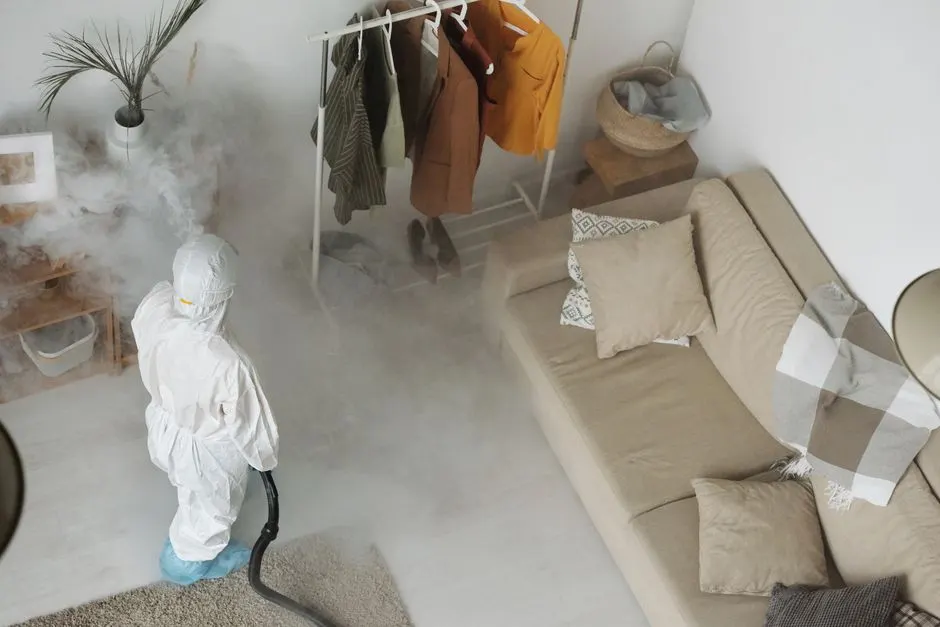
Same day Spray Foam Removal
Same day spray foam removal is available for urgent cases, usually where a lender valuation is booked and a surveyor has flagged foam. We can attend, assess and start cutting the same day if access allows. Call before 10am and we will tell you honestly whether it is realistic.
24/7 Spray Foam Removal
Our 24/7 spray foam removal line handles emergency call-outs, mainly for commercial premises where a leak, a failed inspection or a collapsed ceiling has exposed foam. A duty coordinator answers overnight and books the earliest crew. Residential work is scheduled in daylight hours for safety and noise reasons.Ready when you are
Book spray foam insulation removal in London, Greater today
Fixed quotes, dust-controlled working and a lender-ready removal report at the end. We have been stripping foam across London since 2022 and we know what surveyors and solicitors want to see. Call 02080885347 and we will book your survey, usually within 48 hours.
Talk with the local team
Request Spray Foam Insulation Removal
Call us on 020 8088 5347 or email [email protected] and we will book your free survey. We answer the phone from 8am to 6pm Monday to Friday, and our 24/7 line covers emergencies. Most London surveys happen within 48 hours of your call, and you get a fixed written price the same day.