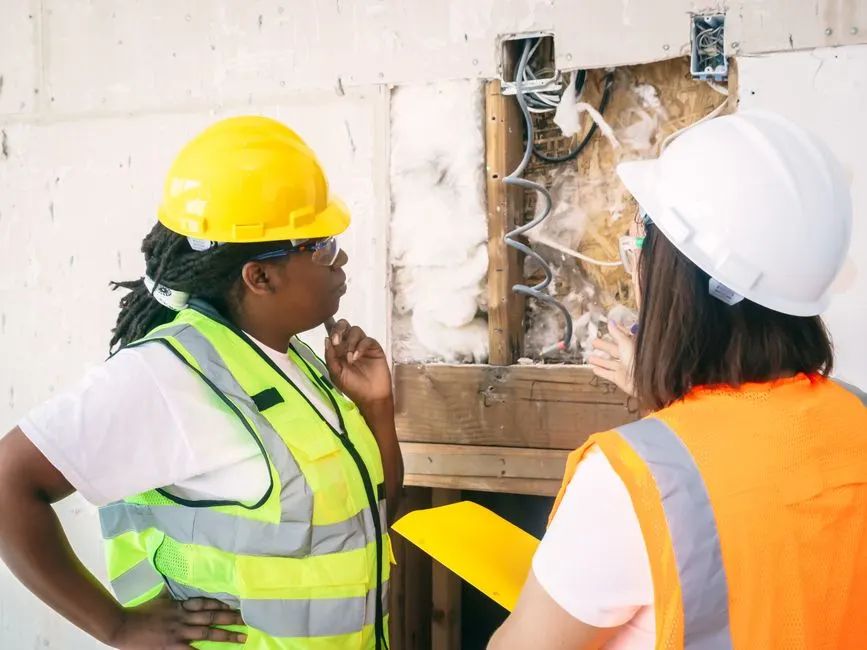
Thermal imaging, moisture checks and honest spray foam verdicts.
Insulation assessment in London, Greater
An insulation assessment in London, Greater tells you exactly what is in your roof, walls and loft, and whether it is helping or hurting your property. We inspect spray foam, batts and vapour barriers, then hand you a written report with photographs and a clear recommendation. If a mortgage lender or buyer has raised questions, our insulation survey London Greater gives you the evidence you need to move forward.
Live phone supportUpfront optionsBacked workmanship
What's included
What our insulation assessment includes
Every assessment covers a full visual and instrumented inspection of the accessible insulation in your property, plus a written report. Removal work, re-insulation and cavity extraction are quoted separately if the assessment shows they are needed. You will never be charged for work you did not agree to.
Full loft and roof inspection
We inspect every accessible rafter bay, checking foam coverage, adhesion, thickness and the condition of the timber beneath. Photographs are taken at each stage so you can see exactly what we saw.
Thermal imaging survey
A thermal imaging camera maps heat loss and cold bridging across ceilings, walls and roof slopes. The images go into your report and are often the evidence lenders and valuers rely on most.
Moisture testing
A moisture meter is used on rafters, ceiling joists and plaster at multiple points. We record readings as percentages so you can see whether timber is dry, borderline or actively wet.
Product identification
We identify the foam type and, where markings are visible, the manufacturer. Knowing whether you have Icynene, Lapolla, Demilec or an unbranded polyurethane foam changes both the risk profile and the removal method.
Written report and recommendation
You get a PDF within 48 hours containing all photographs, thermal images, moisture readings and a clear recommendation: leave as is, ventilate, trim back or remove. A fixed quote is attached if work is advised.
Service overview
What an insulation assessment in London, Greater involves
An insulation assessment in London, Greater is a non-destructive inspection of the insulation in your loft, roof, walls and floor voids, carried out to establish what material is present, how it was installed and whether it is causing problems. We use a thermal imaging camera to map cold spots and heat loss, a moisture meter to check timber and plaster for trapped damp, and a borescope to look inside closed cavities without cutting your finishes open.
London properties are a mixed bag. Victorian terraces in Islington, 1930s semis in Bromley and new-build flats in Canary Wharf all fail in different ways. The most common call-out we get is a homeowner who cannot sell or remortgage because a surveyor flagged spray foam. The second is a loft that smells damp after a wet winter. If you have been searching for an insulation assessment in London near me, we cover every borough inside the M25.
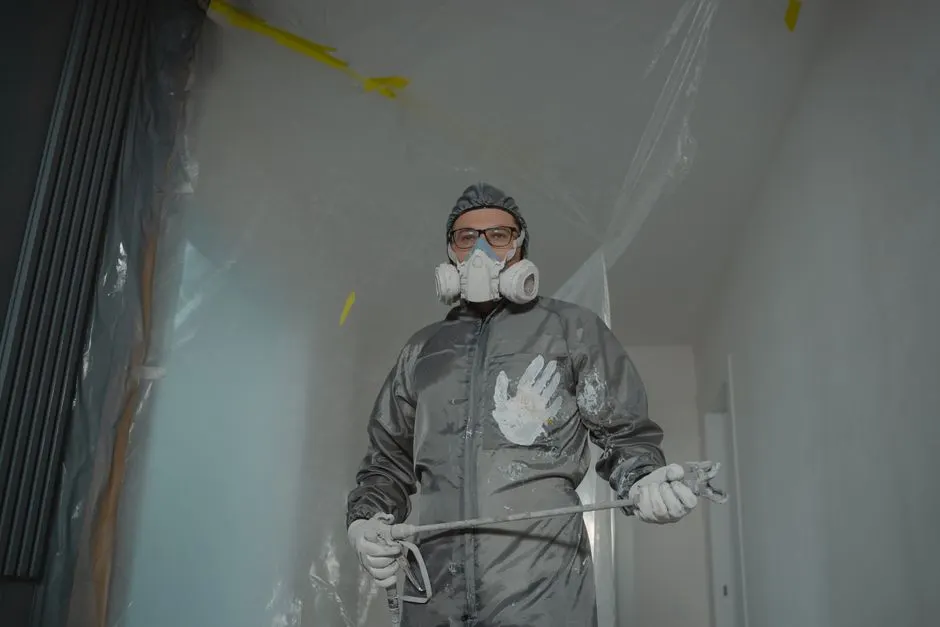
How we workWe verify the cause, compare realistic options, and confirm the repair before we leave.
The service timeline
How our assessment process works
The process flexes to the condition, but these checkpoints keep decisions clear.
Phone triage
You call 02080885347 and we ask four questions: property type, age, where the insulation is, and what triggered the assessment. That takes about ten minutes and tells us which tools to load. If it is urgent, we can often get to you the same day.
On-site inspection
A technician arrives with a thermal imaging camera, moisture meter, borescope and PPE respirator. We inspect the loft, roof void, wall cavities and any accessible floor voids. Expect 60 to 90 minutes for a typical three-bed London terrace, longer for larger or commercial buildings.
Material identification
We identify whether you have open cell spray foam, closed cell spray foam, polyurethane foam, insulation batts or a mix. Brand markings such as Icynene, Lapolla, Demilec, BASF or Soudal help us date the installation and predict how it will behave.
Condition and risk scoring
Each area is scored for moisture content, adhesion, coverage and ventilation. We photograph everything. If we find isocyanate residue, overspray or a failed vapour barrier, it goes in the report with a photograph and a recommended action.
Written report and quote
You receive a PDF report within 48 hours with photographs, moisture readings, thermal images and a plain-English recommendation. If removal is needed, a fixed quote is attached. If it is not needed, we say so and you pay nothing further.
Tools & methods
Tools and methods we use
Purpose-built equipment, used by trained technicians, so the job is done accurately the first time.
Thermal imaging camera
Maps heat loss and cold bridging across ceilings, roof slopes and walls. The images go into your report and are frequently the evidence lenders rely on most.
Moisture meter
Takes percentage readings from rafters, joists and plaster at multiple points, so we can tell dry timber from borderline from actively wet.
Borescope
Lets us look inside closed cavities and behind finishes without cutting holes, confirming whether cavity wall spray foam has fully filled the void.
PPE respirator
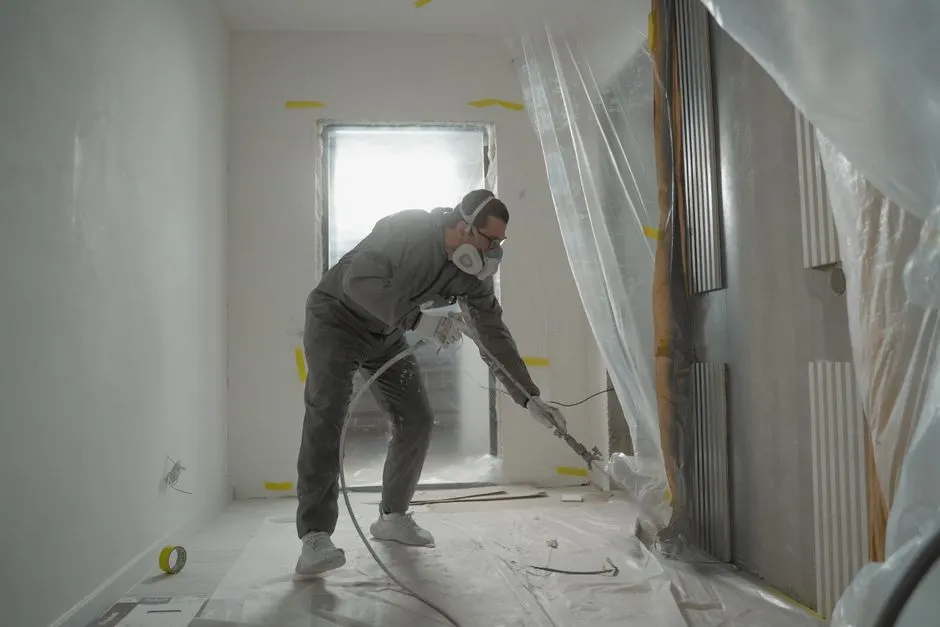
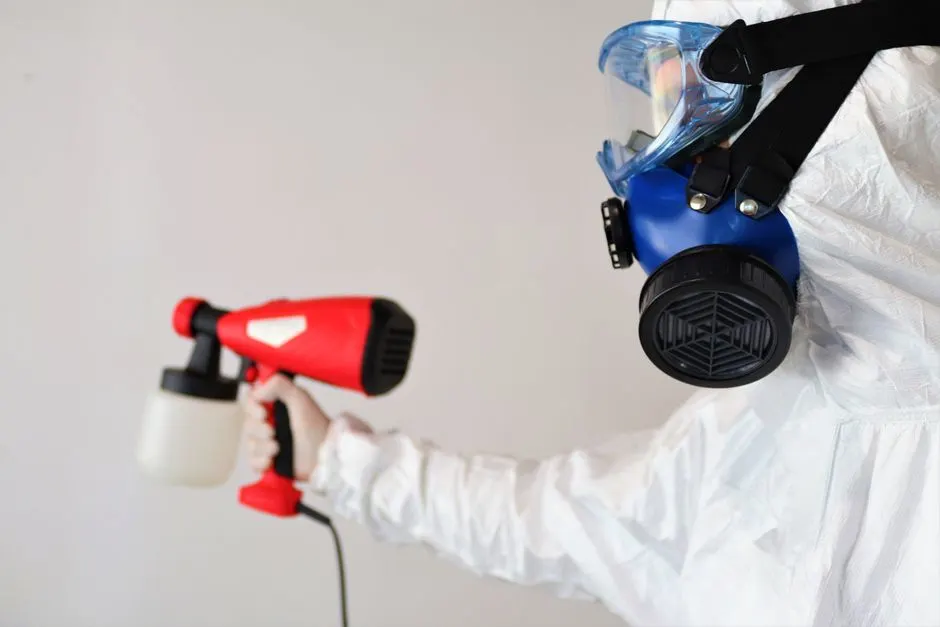
Protects our technicians from isocyanate residue and airborne dust during inspection and removal, and we use the same standard of protection in your home.
Oscillating multi-tool
Cuts closed cell spray foam cleanly away from rafters during removal, with far less timber damage than a saw alone.
Reciprocating saw
Used on thicker foam sections and timber that has already failed, allowing us to remove material quickly once the assessment confirms it must come out.
Dust extraction unit
Captures airborne particles at the cutting head, keeping the rest of your home clean and protecting anyone below the loft hatch.
Use cases
When to book an insulation assessment
These examples show how the service framework adapts rather than forcing every call through one repair.
Damp loft in Croydon dried out
A landlord in Croydon had tenants complaining of a musty smell. Closed cell spray foam had been applied over old bitumen felt, trapping water between the layers. Moisture readings in the rafters hit 27 percent, well into the rot-risk range. → We removed the foam across 22 rafter bays in two days, using an oscillating multi-tool and dust extraction. Post-removal readings dropped to 14 percent within three weeks once ventilation was restored. The smell cleared and the tenants stayed on.
Overheating flat in Canary Wharf cooled
A top-floor apartment in Canary Wharf was hitting 31 degrees Celsius indoors during August. The roof void had no ventilation path and the insulation was pressed tight against the deck, trapping heat against the ceiling. → Our thermal survey identified three blocked ventilation channels. We cleared the obstructions, trimmed back the foam and restored airflow. The following summer, peak indoor temperatures dropped by roughly four degrees without any air conditioning.
Problems we solve
Problems our insulation assessment solves
Most people call us because something has already gone wrong: a lender has said no, a surveyor has raised a red flag, or a room smells damp. Our assessment turns that uncertainty into a documented answer you can act on.
Mortgage refusal due to spray foam in the loft
We survey the foam, test its moisture content and adhesion, and produce a report stating whether it can stay or must come out. Where removal is needed, we carry out mortgage lender spray foam removal and issue the certificate your lender needs to proceed.
Loft condensation and damp patches on ceilings
Our assessment measures moisture at multiple points and checks whether ventilation paths are blocked. If foam is the cause, we remove it, restore airflow and re-test the timbers so you have before-and-after readings.
Overheating in summer and cold in winter
Thermal imaging shows exactly where heat is escaping and where it is being trapped. We recommend the right fix, whether that is ventilation, trimming back overspray or full removal and replacement with a breathable insulation system.
Difficulty selling a property with spray foam
An independent report with photographs and instrument readings gives you evidence to negotiate with. Many of our clients in Bromley and Ealing have held their asking price after presenting a clean assessment to the buyer.
Pricing process
Insulation assessment pricing in London
180 - 420 pounds for residential assessments; commercial quoted per site
Property size and type
A one-bed flat takes less time than a five-bed detached house. Larger properties have more rafter bays to inspect, more thermal imaging passes and longer reports, which pushes the survey fee up.
Number of roof voids
Some London properties have multiple roof sections, dormers or extensions, each with its own void. Every additional void adds 20 to 30 minutes on site and another section in the report.
Access difficulty
A loft with a fixed ladder and boarded floor is quick to survey. A shallow Victorian void with no boarding, or a commercial roof requiring PASMA access equipment, takes longer and costs more.

How much does insulation assessment cost in London?
Most residential assessments in London run between 180 and 420 pounds, depending on property size and access. A three-bed terrace with a standard loft is at the lower end; a large detached house with multiple roof voids or a commercial unit costs more. The fee covers the site visit, thermal imaging, moisture testing and the written report. If removal work follows, we credit the survey fee against the removal quote.
Do you offer insulation survey in London Greater?
Yes. We cover every London borough and most of Greater London, including Croydon, Bromley, Barnet, Hillingdon and Havering. An insulation survey London Greater booking usually gets a next-day slot, and we can reach most postcodes inside the M25 within 24 hours. Call 02080885347 with your postcode and we will confirm the earliest available visit.
Is insulation assessment covered by insurance in London?
Usually not as a standalone survey, but the resulting work often is. If spray foam removal is required because of water damage, storm ingress or a failed installation, many buildings insurance policies cover part of the cost. We provide itemised reports and photographs formatted for claims. Check your policy wording for escape of water and defective workmanship cover before you submit.
How long does insulation assessment take in London?
A standard residential assessment takes 60 to 90 minutes on site, and you receive the written report within 48 hours. Larger properties, multiple roof voids or commercial buildings can take two to three hours. If you need the report urgently for a mortgage deadline, tell us when you book and we will prioritise it, often delivering the same day.
Related services
Related services
Spray Foam Removal near me
If your assessment finds spray foam that must come out, we handle the full removal in the same visit wherever possible. We work across London, Greater, using dust extraction and containment so your loft stays clean and your family stays safe.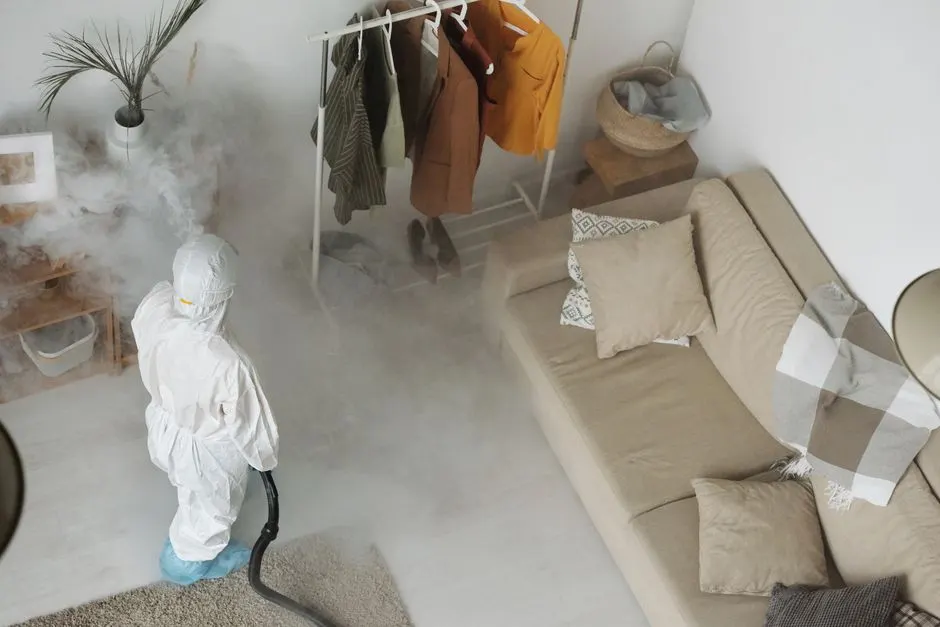
Same day Spray Foam Removal
When a lender deadline or a property sale is looming, a same day spray foam removal slot can be arranged after your assessment. We carry cutting tools and extraction equipment on every van, so most lofts can be cleared in a single day.
24/7 Spray Foam Removal
Storm damage, water ingress or a collapsed roof section does not wait for office hours. Our 24/7 spray foam removal team covers London and can make safe, extract saturated foam and document the damage for your insurer the same night.Ready when you are
Book your insulation assessment in London, Greater
One call, one visit, and a written report within 48 hours. We are SafeContractor approved, CHAS accredited and fully insured. Call 02080885347 or request a callback and we will confirm your slot today.
Talk with the local team
Request Insulation Assessment
Call us on 020 8088 5347 or email [email protected] and we will book your free survey. We answer the phone from 8am to 6pm Monday to Friday, and our 24/7 line covers emergencies. Most London surveys happen within 48 hours of your call, and you get a fixed written price the same day.